


What Is a U-Shaped Air Conditioner and How Does It Work


Cooling technology has evolved quickly in recent years. Homeowners now expect quieter operation, better energy efficiency, and smarter designs. Traditional window air conditioners often fall short of these expectations. That is where modern window cooling systems step in.
One of the most talked-about innovations today is the u shaped air conditioner. This design solves several long-standing problems found in standard window units. It improves comfort, reduces noise, and increases efficiency.
This article explains how this system works, what makes it different, and why it is becoming a preferred choice for modern homes.
Understanding the U-Shaped Design
A traditional window AC sits fully inside the window frame. It blocks light and limits window movement. It also places the compressor very close to the living space.
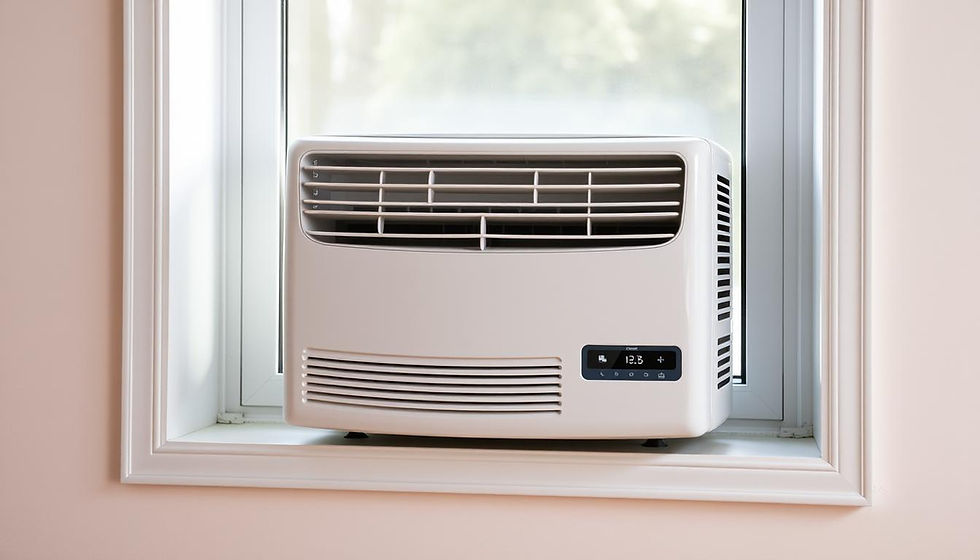
A u shaped air conditioner uses a split design. The unit bends around the window instead of sitting inside it. The window slides down into the center gap of the unit.
This design separates the indoor and outdoor sections more effectively. The noisy compressor stays outside. The indoor section focuses only on cooling the room.
The result is better airflow and improved comfort.
How a U-Shaped Air Conditioner Works
The working principle is similar to other air conditioners. Warm indoor air is pulled into the unit. Heat is removed using refrigerant. Cool air is then pushed back into the room.
The difference lies in placement. The outdoor section releases heat outside the home. The indoor section remains isolated and quiet.
This separation reduces vibration. It also limits heat transfer back into the room. That makes cooling more stable and efficient.
Because the window closes between the two sections, insulation is improved. Air leaks are reduced. This helps maintain consistent indoor temperatures.
Noise Reduction Benefits
Noise is one of the biggest complaints with window AC units. Traditional designs place the compressor just inches away from occupants.
A u shaped air conditioner keeps the loud components outside. The window acts as a sound barrier between the indoor space and the compressor.
This design can significantly lower noise levels. Bedrooms and home offices benefit the most. Sleep quality and productivity often improve.
For renters and apartment dwellers, quiet operation is a major advantage.
Improved Energy Efficiency
Energy efficiency is another strong advantage. The sealed window design prevents hot air from entering the room.
Many models use inverter technology. This allows the compressor to adjust speed instead of turning on and off repeatedly.
A u shaped air conditioner often consumes less power than traditional window units. Lower energy use leads to lower monthly utility bills.
Improved insulation also reduces strain on the system. This can extend the lifespan of the unit.
Preserving Natural Light and Window Function
Standard window AC units block a large portion of the window. This reduces sunlight and airflow when the unit is not running.
With a U-shaped design, the window remains mostly functional. Natural light still enters the room. Some models even allow partial window opening.
This is especially useful in apartments and small homes. Spaces feel more open and less confined.
Maintaining window access also improves safety and ventilation.
Installation Made Easier
Installation is often simpler than expected. Most units are designed for standard window sizes.
A u shaped air conditioner usually includes a support bracket. This helps distribute weight and improves stability.
Because the window closes into the unit, there is no need for heavy insulation panels. This reduces installation time.
Many homeowners can complete installation without professional help. Clear instructions and modular components make the process manageable.
Ideal Use Cases
This type of air conditioner is well suited for many environments.
It works well in apartments, condos, and rental properties. It is also ideal for bedrooms and living rooms.
Homeowners who value quiet operation benefit the most. People working from home also appreciate reduced noise.
Urban homes with limited space gain both efficiency and comfort from this design.
Comparing U-Shaped Units to Traditional Window ACs
When comparing designs, differences become clear.
Traditional units are louder. They often leak air. They block windows completely.
A u shaped air conditioner solves these problems. It improves insulation and reduces sound.
Cooling performance is more consistent. Energy use is more controlled.
While initial cost may be slightly higher, long-term savings often balance the investment.
Maintenance and Long-Term Performance
Maintenance requirements are similar to other window units. Filters should be cleaned regularly. Coils should be checked seasonally.
Because the system experiences less vibration, wear and tear are reduced. Components may last longer as a result.
Proper installation also plays a role. A secure fit improves airflow and efficiency.
Routine care ensures stable performance over time.
Buying Considerations
Before purchasing, room size should be calculated carefully. Cooling capacity must match the space.
A u shaped air conditioner is available in various BTU ratings. Choosing the correct size prevents energy waste and uneven cooling.
Smart features may also be important. Many models support app control and scheduling.
Energy ratings should be reviewed. Higher efficiency models deliver better long-term value.
Environmental Impact
Modern cooling solutions aim to reduce environmental impact. Efficient systems use less electricity and produce fewer emissions.
The improved insulation design limits energy loss. Inverter compressors reduce power spikes.
These features make this type of system more eco-conscious than older window AC designs.
For homeowners focused on sustainability, this is an important factor.
The Future of Window Air Conditioning
Cooling technology continues to evolve. Design innovation is now as important as performance.
The u shaped air conditioner represents a shift toward user-focused engineering. Comfort, efficiency, and usability are prioritized.
As energy standards become stricter, demand for smarter designs will grow.
This system aligns well with future HVAC trends.
Final Thoughts
Choosing the right cooling solution impacts comfort, cost, and quality of life. A u shaped air conditioner offers a practical alternative to outdated window units. It reduces noise, improves efficiency, and preserves window function. For modern homes and apartments, this design delivers clear advantages. As more homeowners prioritize comfort and energy savings, this technology is likely to become the new standard.


Comments